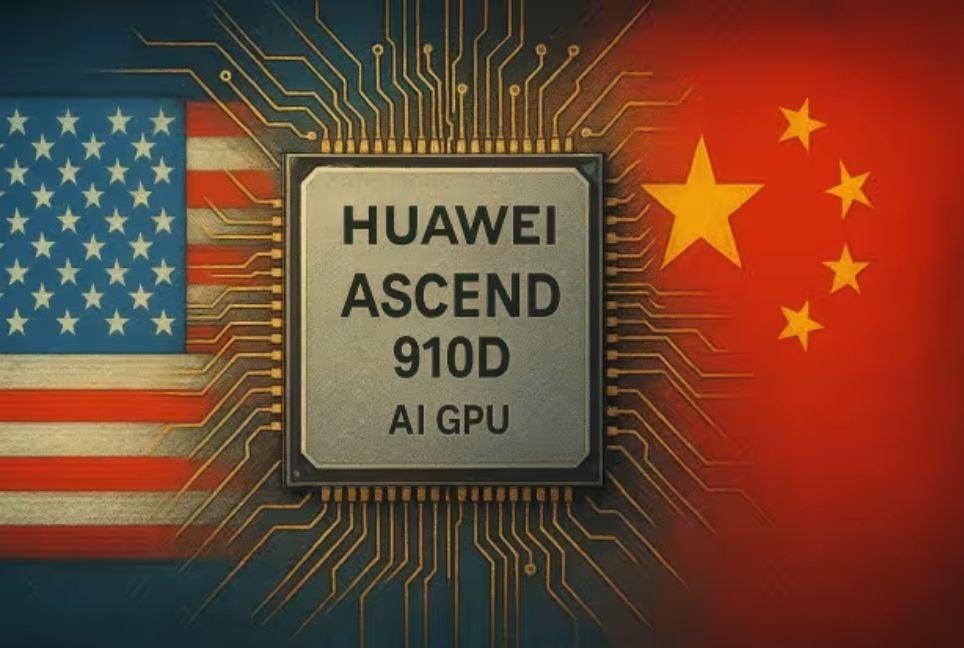
In the high-stakes arena of technological innovation, where silicon dreams and digital ambitions collide, Huawei is stepping into the AI chip battlefield with a bold new contender. As reported by the Wall Street Journal, the Chinese tech giant is crafting its latest weapon in the global semiconductor arms race, aiming to challenge Nvidia’s long-standing dominance in artificial intelligence computing. This strategic move signals not just a technological leap, but a complex geopolitical chess match where cutting-edge engineering meets international technological competition. In a bold move to challenge Nvidia’s dominance in the artificial intelligence semiconductor market, Huawei Technologies has reportedly developed a cutting-edge AI chip that could reshape the global technological landscape. According to the Wall Street Journal’s recent reporting, the Chinese tech giant is making notable strides in semiconductor design, potentially disrupting the current hierarchy of AI hardware manufacturers.
The new chip represents a strategic breakthrough for Huawei, which has faced substantial challenges due to international sanctions and technological restrictions. By engineering an advanced AI processor, the company aims to demonstrate its technological prowess and reduce dependence on foreign semiconductor technologies.
Sources suggest the chip’s architecture is designed to deliver high-performance computational capabilities comparable to Nvidia’s most advanced offerings. This development signals Huawei’s commitment to maintaining technological competitiveness despite external constraints.
The semiconductor industry has witnessed intense competition, with AI chips becoming increasingly critical for advanced computing, machine learning, and data center operations. Huawei’s entry into this sophisticated market could potentially redistribute technological influence and challenge existing market dynamics.
Technical specifications of the new chip remain closely guarded, but industry analysts speculate it might incorporate innovative design principles that could offer unique performance advantages. The development underscores China’s strategic investment in domestic technological innovation, particularly in semiconductors and artificial intelligence.
Huawei’s semiconductor division has been investing heavily in research and development, viewing advanced chip technology as a crucial national strategic asset. The company’s ability to design and potentially manufacture such sophisticated AI chips would represent a significant milestone in its technological journey.
Market implications of this development could be substantial. If the chip demonstrates competitive performance, it might create new opportunities for Huawei in global technology markets, potentially challenging established players like Nvidia, AMD, and Intel.
The technological race reflects broader geopolitical tensions surrounding semiconductor supremacy. Nations increasingly view advanced chip technology as a critical component of technological sovereignty and economic competitiveness.
While details remain limited, the reported development suggests Huawei is positioning itself as a serious contender in the high-stakes world of AI semiconductor design. The company’s ability to overcome international restrictions and develop sophisticated technology demonstrates remarkable resilience and technological capability.
As the global technology landscape continues to evolve, Huawei’s latest chip development could represent a significant turning point in semiconductor innovation, potentially reshaping future computational and artificial intelligence capabilities.