
In the intricate tapestry of motherhood, moments of self-finding often emerge from unexpected corners. For one woman,what began as dismissive jokes about menopausal forgetfulness transformed into a profound journey of medical revelation and maternal reflection. Her casual acceptance of mental fog took an unexpected turn when medical imaging unveiled a narrative far more complex than hormonal fluctuations—a story that would challenge her perceptions of health, aging, and the basic instinct of maternal protection. Sarah Matthews, a 47-year-old marketing executive, always chalked up her recent memory lapses to the onset of menopause.Misplaced keys, forgotten appointments, and occasional brain fog seemed like typical midlife experiences. Little did she know that her symptoms were signaling something far more serious.
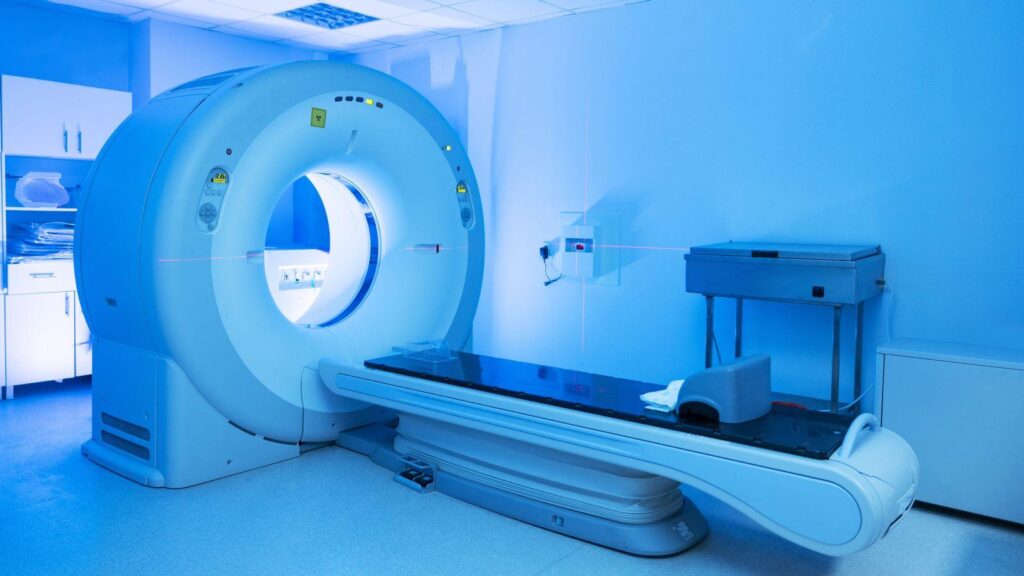
During a routine health check, her physician recommended a extensive neurological scan after hearing about her increasing cognitive challenges. The results were unexpected and sobering.The brain imaging revealed notable inflammation and early signs of potential neurological deterioration that couldn’t be dismissed as typical menopausal changes.
“When the neurologist showed me the scans, my world stopped,” Sarah recalled. The visual evidence was stark—areas of her brain displaying unusual activity patterns that suggested more than hormonal transitions. Her initial dismissal of symptoms as age-related now felt like a dangerous oversight.
Genetic testing followed, uncovering a familial predisposition to an early-onset neurodegenerative condition. This revelation wasn’t just about her health; it meant potential implications for her teenage daughter, Emma. The possibility of genetic inheritance weighed heavily on Sarah’s mind.
“All I could think about was not being there for her,” Sarah shared, her voice cracking. The thought of potentially missing crucial moments in Emma’s life—her graduation, wedding, or future milestones—became an overwhelming emotional burden.
Determined to take proactive steps, Sarah immediately began a comprehensive treatment plan. This included specialized dietary modifications, targeted cognitive exercises, and cutting-edge neurological interventions designed to slow potential progression.Support from her family became paramount. Emma, initially shocked, transformed into a pillar of strength, accompanying her mother to medical appointments and researching potential supportive therapies. Their relationship, already close, deepened with mutual understanding and vulnerability.
Medical professionals emphasized the importance of early detection. Sarah’s experience highlighted a critical message: unexplained cognitive changes shouldn’t be casually attributed to life stages without thorough examination.
Her journey became a powerful narrative of resilience, transforming a potentially devastating diagnosis into an opportunity for proactive healthcare and family solidarity. Sarah’s story resonated with many women navigating complex health landscapes, demonstrating that awareness, speedy action, and emotional support can dramatically alter potential outcomes.
Through comprehensive medical intervention and unwavering family support, Sarah remained committed to maintaining her cognitive health and creating lasting memories with her daughter.