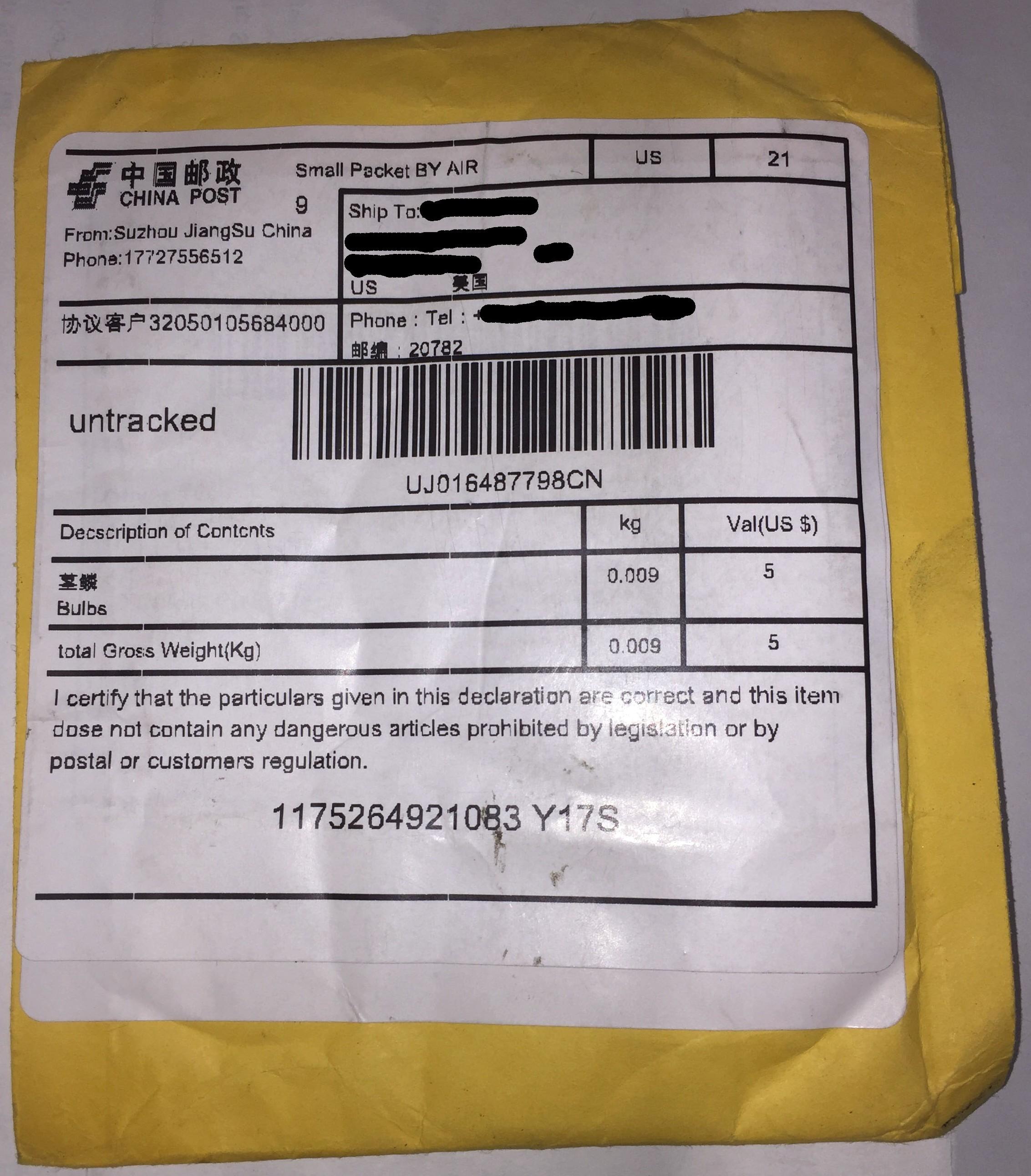

Picture this: A mysterious parcel arrives at your doorstep, addressed to you but fully unsolicited. No, you’re not starring in a thriller—you might be an unwitting participant in a curious e-commerce deception known as “brushing.” This peculiar practice has been quietly infiltrating online marketplaces,turning innocent consumers into unwelcome recipients of random merchandise they never ordered. Beyond being a mere curiosity, brushing represents a calculated marketing tactic with possibly serious implications for unsuspecting shoppers. In this exploration, we’ll unravel the mechanics of this digital subterfuge, revealing how seemingly harmless package deliveries can signal a complex web of marketplace manipulation. In the digital age of e-commerce, an unexpected delivery can signal more than just a surprise package. These unsolicited parcels might seem harmless, but they often represent a sophisticated scam known as “brushing” that can compromise your online identity and marketplace reputation.
The scheme typically begins with unknown sellers purchasing their own products and shipping them to random addresses using real consumer information. These packages frequently contain low-cost items like smartphone accessories, beauty products, or small electronics. Recipients didn’t place these orders and have no recollection of purchasing anything.
Behind this seemingly innocuous practice lies a calculated marketing manipulation. Sellers create fake verified purchases by generating seemingly legitimate transactions through stolen or purchased customer data. By sending physical products, they artificially inflate their sales metrics and product ratings on major online platforms like Amazon, eBay, and AliExpress.
The mechanism works by exploiting review systems. When these phantom packages arrive, sellers can then post glowing reviews under the recipient’s name, creating an illusion of positive consumer engagement. These fabricated reviews boost product visibility and potentially attract genuine buyers, ultimately increasing the seller’s credibility and sales performance.
While recipients aren’t typically charged for these surprise deliveries, the potential risks extend beyond mere inconvenience. Personal information vulnerability becomes a important concern. Cybercriminals might have accessed your address through data breaches or underground marketplaces, signaling potential broader privacy compromises.
Consumer protection agencies recommend immediate action upon receiving unexplained packages. Document everything, including packaging details and tracking information. Contact the platform where the item seemingly originated and report the suspicious activity. Many e-commerce sites have dedicated channels for addressing such fraudulent transactions.
Protecting yourself requires vigilance. Regularly monitor credit card statements, update online account passwords, and enable two-factor authentication.Check your online profiles for any unauthorized reviews or activities that might indicate your information has been misused.
The psychological impact can be unsettling. Receiving an unknown package triggers curiosity and potential anxiety about personal data security. Understanding the mechanics of “brushing” helps consumers recognize these sophisticated marketing manipulations and take proactive defensive measures.
Technology platforms are increasingly developing sophisticated algorithms to detect and prevent such fraudulent activities. Machine learning and advanced tracking systems help identify suspicious seller behaviors and protect consumer interests.
Ultimately,awareness remains the most potent weapon against these digital marketplace deceptions. Stay informed, remain cautious, and treat unexpected deliveries as potential red flags in the complex landscape of online commerce.